Coggon, R.M., Teagle, D.A.H., Sylvan, J.B., Reece, J., Estes, E.R., Williams, T.J., Christeson, G.L., and the Expedition 390/393 Scientists
Proceedings of the International Ocean Discovery Program Volume 390/393
publications.iodp.org
https://doi.org/10.14379/iodp.proc.390393.212.2026
Data report: late Eocene Globigerinatheka (planktonic foraminifer) from IODP Site U1558, Expedition 390/3931
Zhengbo Lu,2, 3 Bridget S. Wade,2 Marcin Latas,2 and Adriane R. Lam4
1 Lu, Z., Wade, B.S., Latas, M., and Lam, A.R., 2026. Data report: late Eocene Globigerinatheka (planktonic foraminifer) from IODP Site U1558, Expedition 390/393. In Coggon, R.M., Teagle, D.A.H., Sylvan, J.B., Reece, J., Estes, E.R., Williams, T.J., Christeson, G.L., and the Expedition 390/393 Scientists, South Atlantic Transect. Proceedings of the International Ocean Discovery Program, 390/393: College Station, TX (International Ocean Discovery Program). https://doi.org/10.14379/iodp.proc.390393.212.2026
2 Department of Earth Sciences, University College London, UK. Correspondence author: [email protected]
3 School of Earth Sciences and Engineering, Nanjing University, China.
4 Earth Sciences Department, Binghamton University, USA.
Abstract
International Ocean Discovery Program Expedition 390/393 Site U1558 lies west of the Mid-Atlantic Ridge in the central South Atlantic and yielded upper Eocene sediments that provide an important archive for studying late Eocene planktonic foraminiferal assemblages. We examined and imaged selected specimens of the genus Globigerinatheka from 14 sample intervals between 111.38 and 120.51 m core depth below seafloor, Method A (CSF-A), in Cores 390C-U1558A-13X and 14X. The primary objectives were to document taxonomic diversity and morphological variability within the genus in the late Eocene and to determine the stratigraphic position of the extinction of the biostratigraphically important marker species Globigerinatheka index. Our taxonomic analyses revealed the presence of five species of Globigerinatheka: G. index (Finlay), G. korotkovi (Keller), G. luterbacheri Bolli, G. subconglobata (Shutskaya), and G. tropicalis (Blow and Banner). Specimens were investigated using both high-resolution z-stacked light microscopy and scanning electron microscopy, allowing comprehensive documentation of test morphology. Images are provided in umbilical, edge, and spiral orientations to facilitate species identification and comparison. The highest (last) occurrence of G. index is constrained to 114.99 ± 0.25 m CSF-A (140.66 ± 0.25 m core composite depth below seafloor [CCSF]) within Magnetochron C13r.
1. Introduction
Long-term cooling during the late Eocene culminated in Antarctic glaciation and a major reorganization of marine ecosystems across the Eocene–Oligocene transition (Zachos et al., 2001; Coxall and Pearson, 2007; Westerhold et al., 2020). Previous syntheses and global compilations show that planktonic foraminiferal richness declined progressively through the late Eocene, with extinctions continuing into the early Oligocene (Prothero, 1994; Fraass et al., 2015; Fenton et al., 2021; Lu et al., 2026). Long-term studies suggest that planktonic foraminiferal diversity dynamics were shaped by interactions between climate change and species ecology (Ezard et al., 2011) and that richness shifts were strongly correlated with changes in sea-surface temperature and eustatic sea level (Lu et al., 2026). Low-latitude records document pronounced faunal turnover, diversity loss, and ecological change across this interval (Pearson et al., 2008; Wade and Pearson, 2008). The pattern was taxonomically selective, with some groups declining gradually, whereas others disappeared more abruptly. Several species of Globigerinatheka were lost progressively through the late Eocene, culminating in the extinction of the genus by the Eocene/Oligocene boundary (Premoli Silva et al., 2006). In contrast, the Turborotalia cerroazulensis group disappeared within a relatively short interval preceding the boundary, followed by the abrupt extinction of four Hantkenina species and Cribrohantkenina inflata at the boundary (Nocchi et al., 1986; Pearson et al., 2008; Wade and Pearson, 2008; Coxall et al., 2021). Reconstructions of these diversity changes depend strongly on consistent taxonomy and accurately constrained first and last occurrences, which underpin interpretations of origination and extinction events.
Globigerinatheka is a distinct but taxonomically complex genus of planktonic foraminifer that ranges from the middle Eocene to the end of the Eocene. Globigerinatheka is a cancellate, spinose genus that commonly has a thick calcite crust. The test is subspherical to spherical and streptospirally coiled; bullae covering the apertures are common. Streptospiral coiling, together with the high degree of morphological variability within Globigerinatheka, requires specimens to be observed in multiple views. This can make species identification challenging, especially in material with suboptimal preservation and when the apertures are infilled. Premoli Silva et al. (2006) conducted a taxonomic review of the genus and recognized 11 species. Seven of these species range into the late Eocene: Globigerinatheka barri, Globigerinatheka index, Globigerinatheka korotkovi, Globigerinatheka luterbacheri, Globigerinatheka mexicana, Globigerinatheka semiinvoluta, and Globigerinatheka tropicalis.
The highest (last) occurrence of G. index defines the Zone E15/E16 boundary in the tropical–subtropical zonation, marking the top of Zone E15 and the base of Zone E16 (Wade et al., 2011). In the Austral zonation, the same bioevent marks the Zone AE10/AO1 boundary and the base of Zone AO1 (Huber and Quillévéré, 2005). The bioevent is calibrated to Magnetochron C13r in the Umbrian Apennines and at Massignano (Italy) (Berggren et al., 1995; Berggren and Pearson, 2005), at Ocean Drilling Program (ODP) Site 1090 in the South Atlantic (Galeotti et al., 2002), and at ODP Site 748 in the Southern Ocean (Roberts et al., 2003). Although the Geologic Time Scale 2012 (Gradstein et al., 2012) treats the bioevent as isochronous across low, middle, and high latitudes, records from Site 1090 and the North Sea Basin indicate that local occurrences can be sparse or discontinuous and should therefore be correlated cautiously (Galeotti et al., 2002; Thomsen et al., 2012).
Furthermore, the extinction of G. index may not represent the final extinction event within the genus Globigerinatheka during the late Eocene. The extinctions of other globigerinathekids in the late Eocene are not well constrained. According to Premoli Silva et al. (2006), G. tropicalis ranges beyond G. index to the Eocene/Oligocene boundary at the M. Acuto, North Visso, and Collecastellano sections in the Umbrian Apennines (Italy) (Nocchi et al., 1986, 1988). Therefore, determining the timing of extinction and changes in diversity leading up to the Eocene/Oligocene boundary requires further examination of planktonic foraminiferal assemblages at sites with abundant specimens and a well-constrained paleomagnetically-derived age model for which to calibrate the highest (last) occurrences of species.
The recovery of upper Eocene sediments from Site U1558 allows examination of Globigerinatheka at a mid-latitude site and assessment of its diversity and taxonomic variability within a well-resolved magnetostratigraphic framework based on shipboard paleomagnetic data (Teagle et al., 2024). Here, we present images of five Globigerinatheka species from the upper Eocene of Hole U1558A. Z-stacked light-microscope and scanning electron microscope (SEM) images are presented in umbilical, edge, and spiral views. Furthermore, we constrain and report the position of the Top of G. index, thereby refining the biostratigraphic framework for Hole U1558A.
2. Site location and setting
Expeditions 390C, 390, and 393 cored sites along the South Atlantic Transect to recover ocean crust and sedimentary successions in the central South Atlantic (Teagle et al., 2024). Hole U1558A is located west of the Mid-Atlantic Ridge at 30°53.7728′S, 24°50.4970′W (Figure F1). It was cored using the advanced piston corer (APC) and extended core barrel (XCB) systems at a water depth of 4336.87 m to a drilling depth of 163.9 meters below seafloor (mbsf) (Teagle et al., 2024). Hole U1558A recovered the target late Eocene interval with sediments consisting of nannofossil ooze with clay, and selected samples contain identifiable foraminiferal specimens suitable for light-microscope and SEM imaging (Teagle et al., 2024). We document Globigerinatheka specimens from Cores 390C-U1558A-13X and 14X. The studied interval spans 111.38–120.51 m core depth below seafloor, Method A (CSF-A) (Table T1).
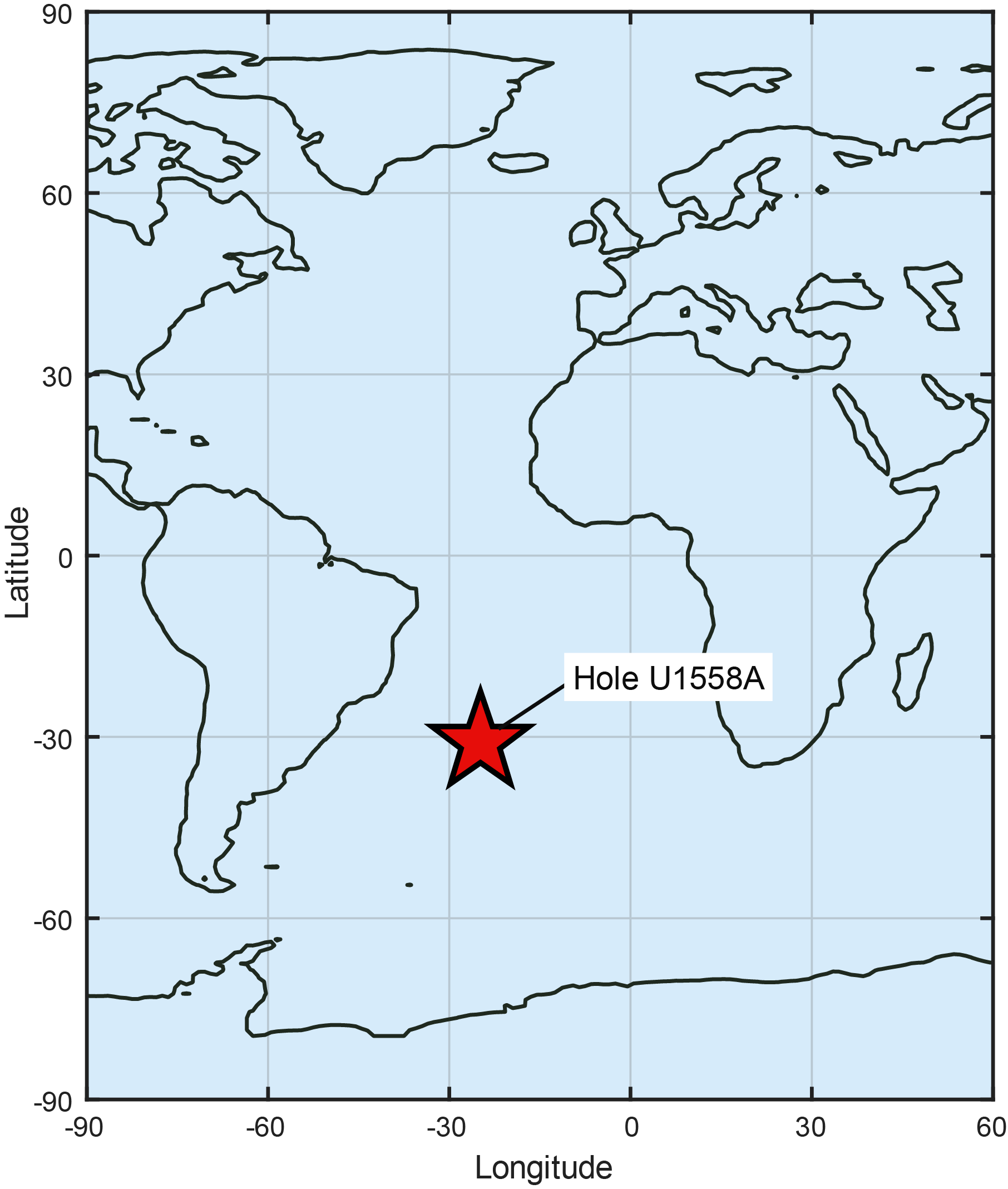
Figure F1. Location of Hole U1558A.
3. Methods and materials
Sediment samples of 10 cm3 were prepared for foraminiferal analysis following standard procedures. Samples were washed over a 63 µm sieve using tap and distilled water and then oven-dried at 40°C. Selected foraminiferal specimens were manually picked from the >63 µm fraction using a light microscope. Umbilical, edge, and spiral views of the selected specimens were imaged at the Department of Earth Sciences, University College London (UK). Light microscopy was conducted using an Olympus SZX16 z-stacking stereo light microscope equipped with a DP73 multifocal camera. Stream Motion (Olympus) software was used for image stacking. Scanning electron microscopy was conducted using a JEOL JSM-6480LV SEM. Each stub was sputter-coated with gold under argon before SEM imaging.
4. Results
Foraminiferal preservation is moderate, with all specimens recrystallized; however, infilling and fragmentation are minimal, allowing recognition of the taxonomic features of the different Globigerinatheka species. Five Globigerinatheka species are present in the examined samples: G. index (Finlay) (Plates P1, P2, P3, P4), G. korotkovi (Keller) (Plate P5), G. luterbacheri Bolli (Plate P6), Globigerinatheka subconglobata (Shutskaya) (Plates P7, P8), and G. tropicalis (Blow and Banner) (Plates P9, P10). This illustrates that upper Eocene Globigerinatheka fauna in Hole U1558A is consistent with a mid-latitude South Atlantic assemblage with subtropical affinities.
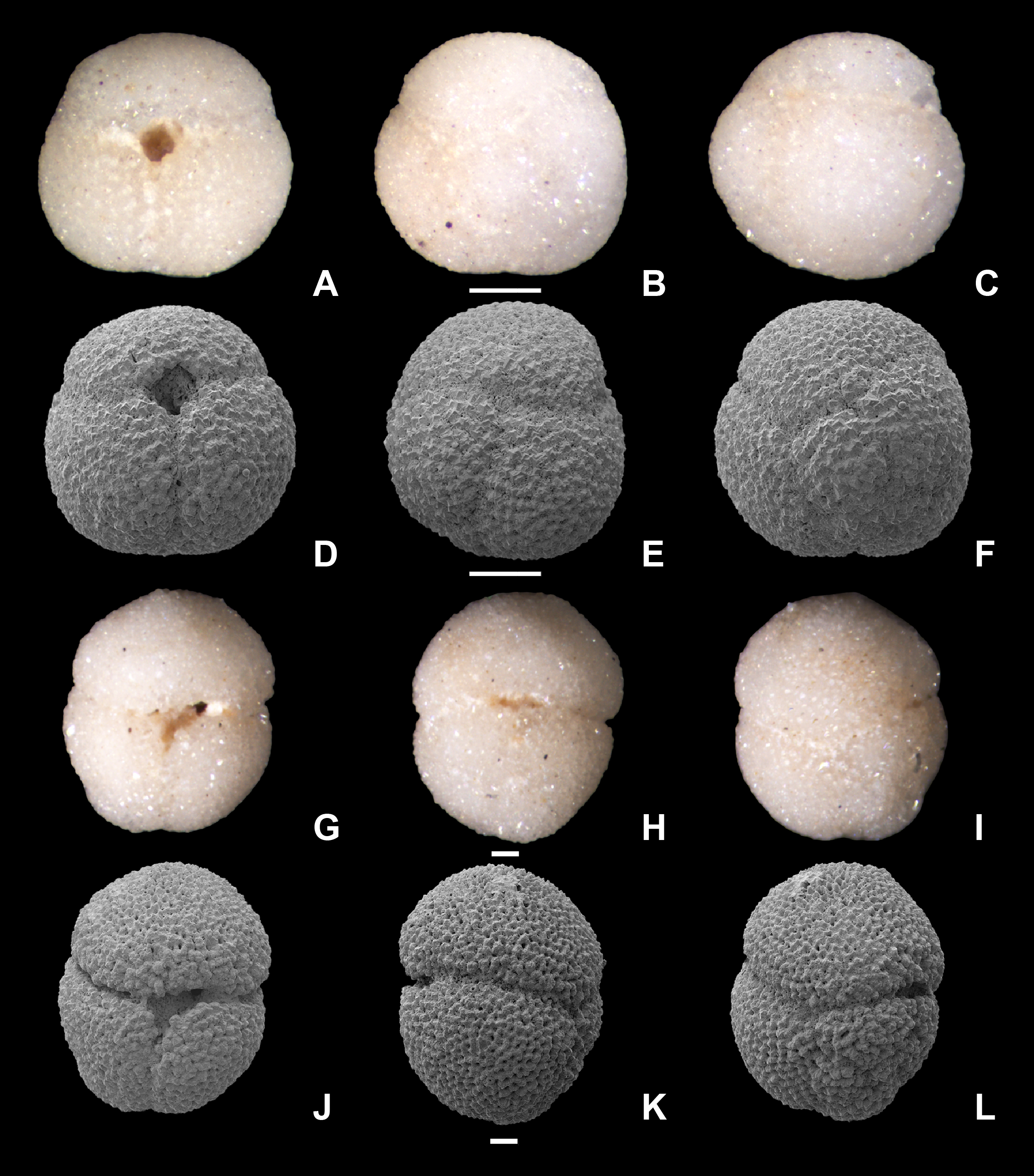
Plate P1. Globigerinatheka index (390C-U1558A-14X-2).
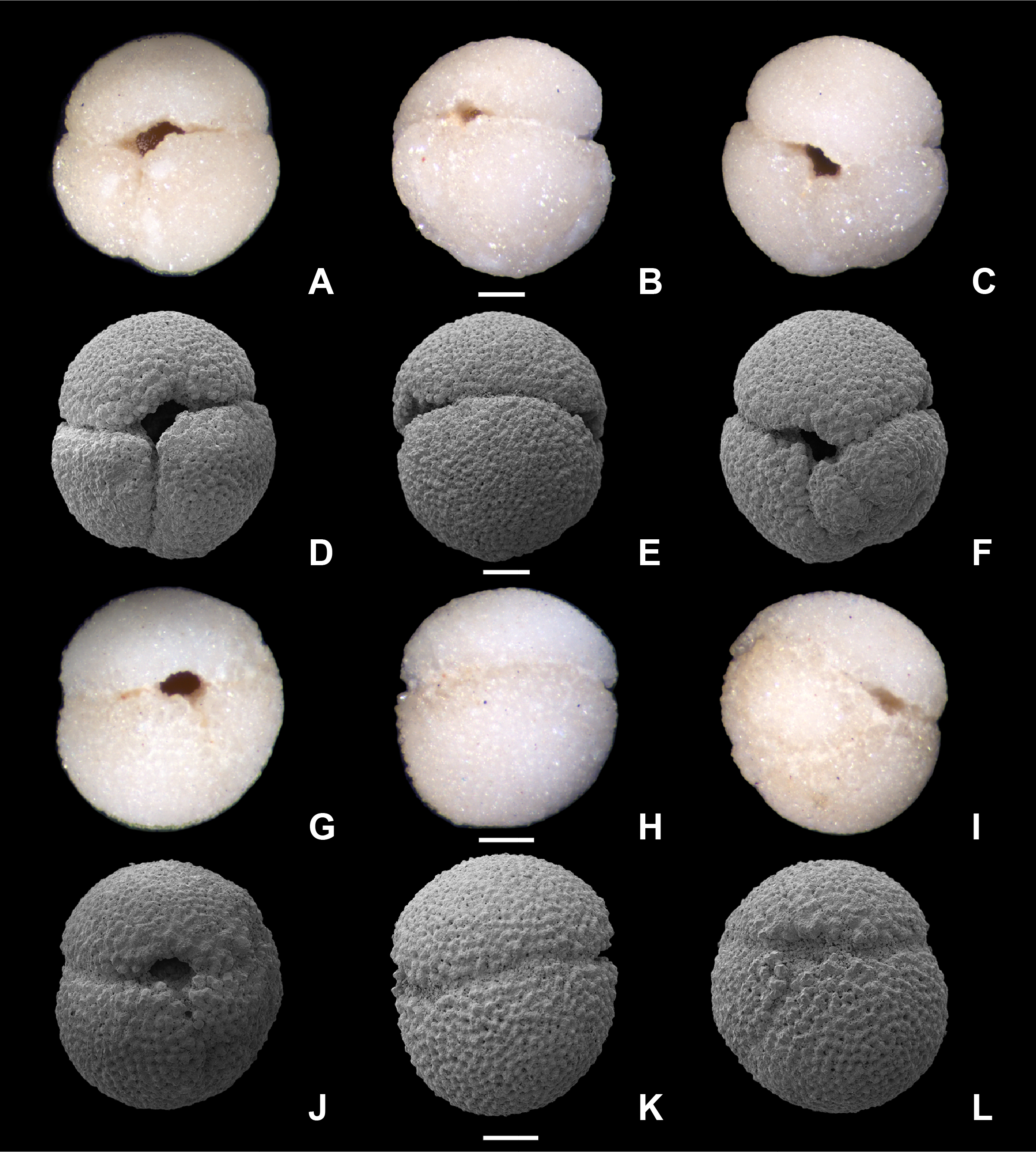
Plate P2. Globigerinatheka index (390C-U1558A-14X-2 and 14X-3).
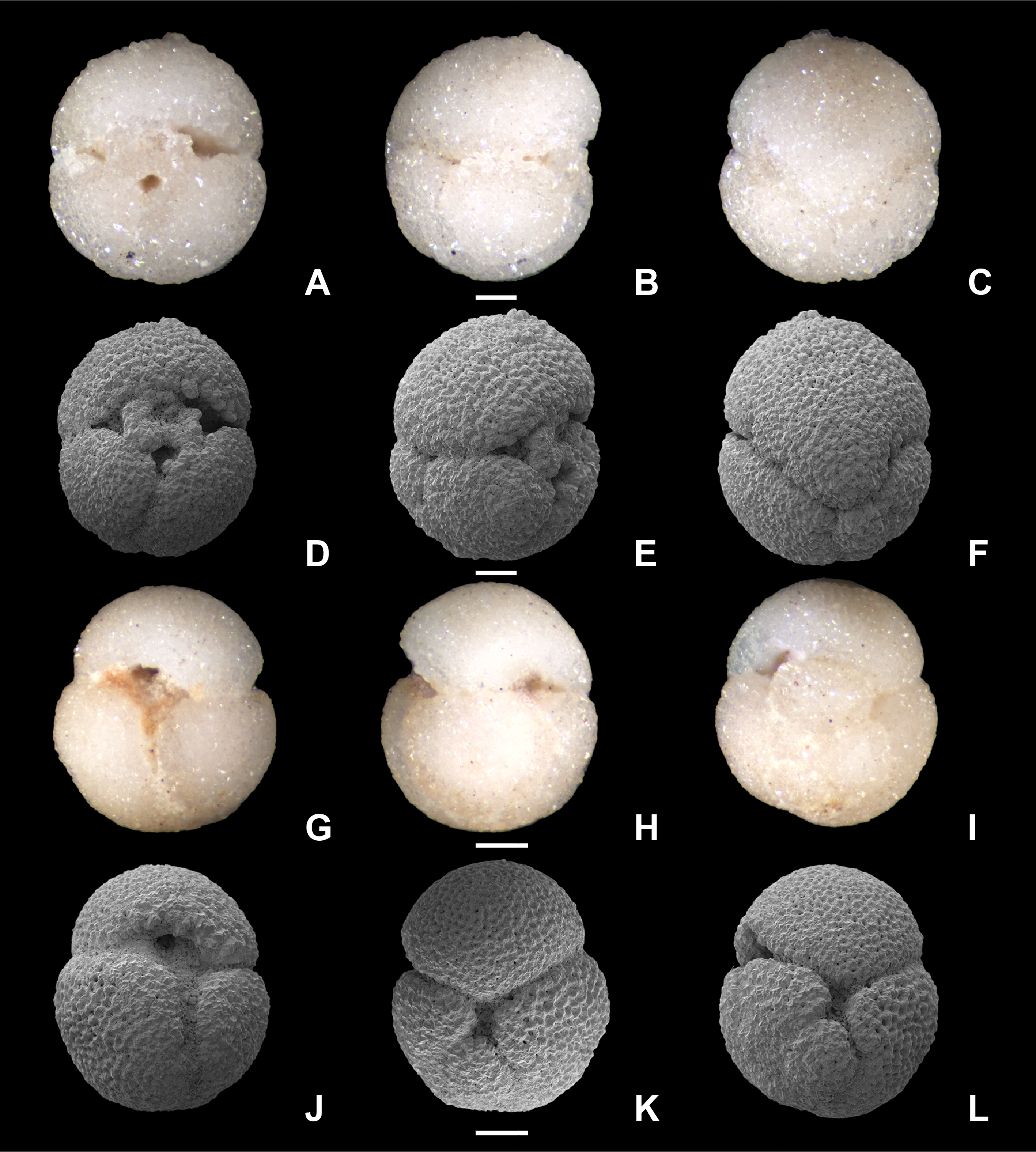
Plate P3. Globigerinatheka index (390C-U1558A-14X-4).
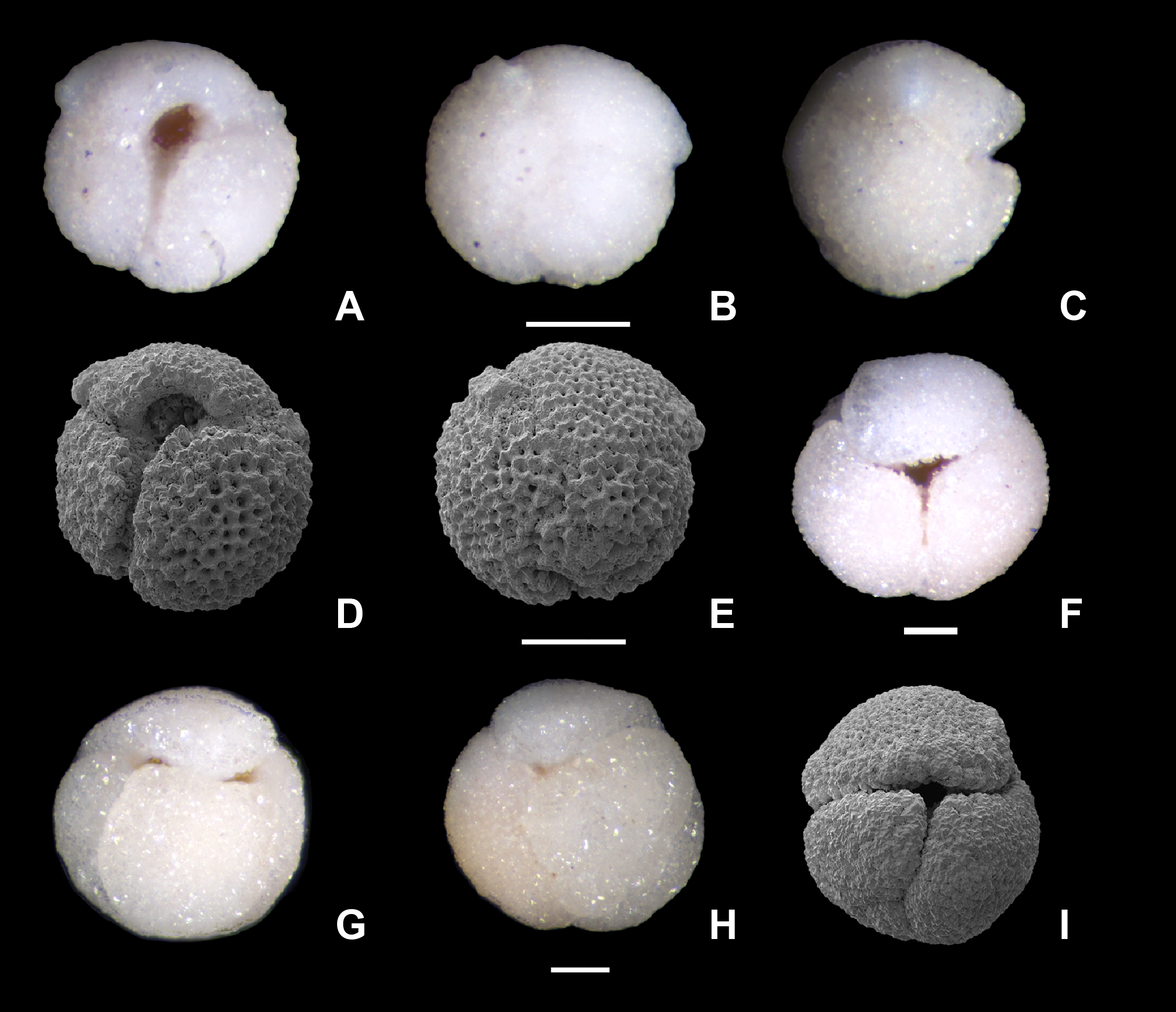
Plate P4. Globigerinatheka index and Globigerinatheka cf. index (390C-U1558A-14X-5).
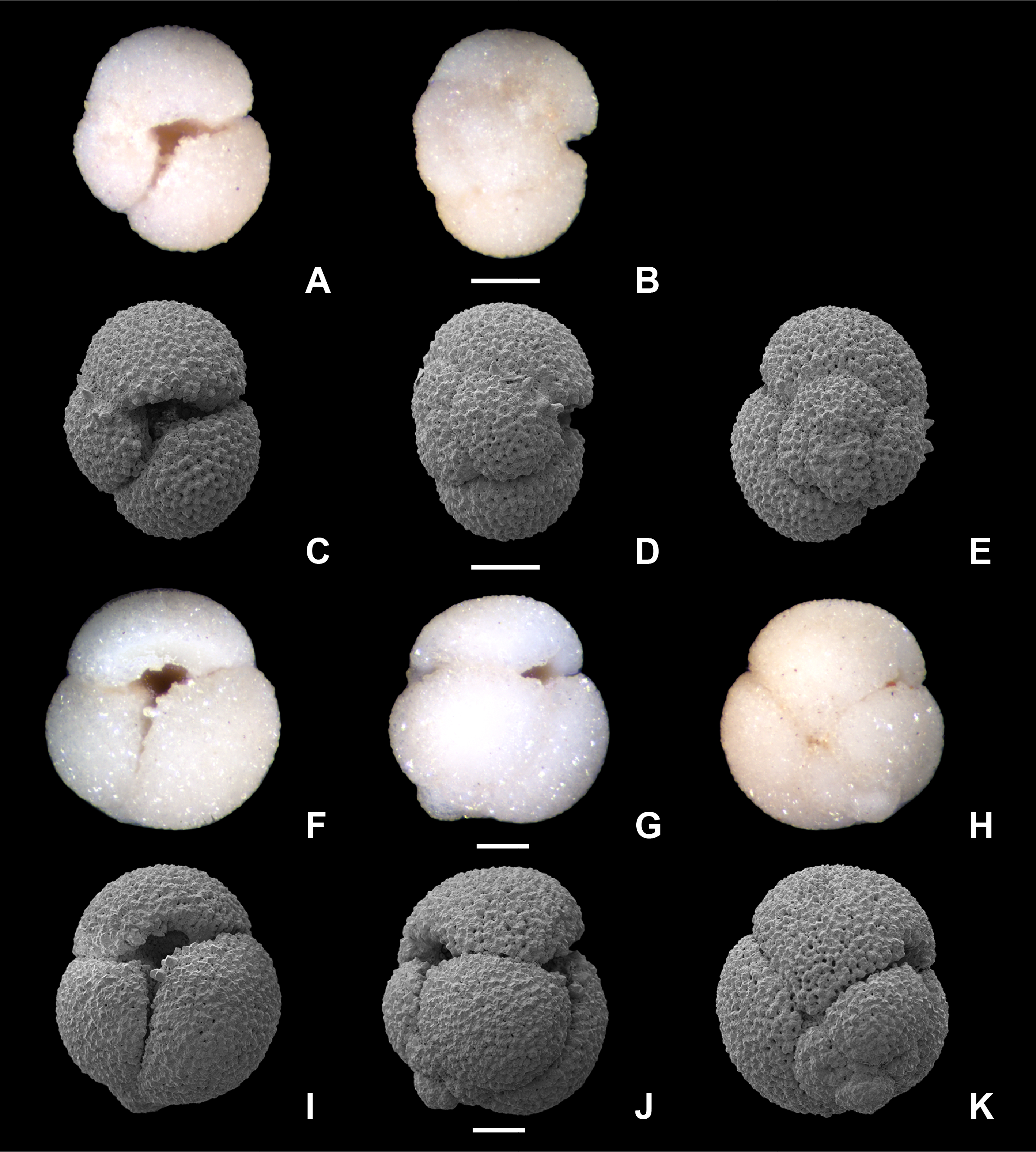
Plate P5. Globigerinatheka cf. index (390C-U1558A-14X-5) and Globigerinatheka korotkovi (390C-U1558A-14X-3).
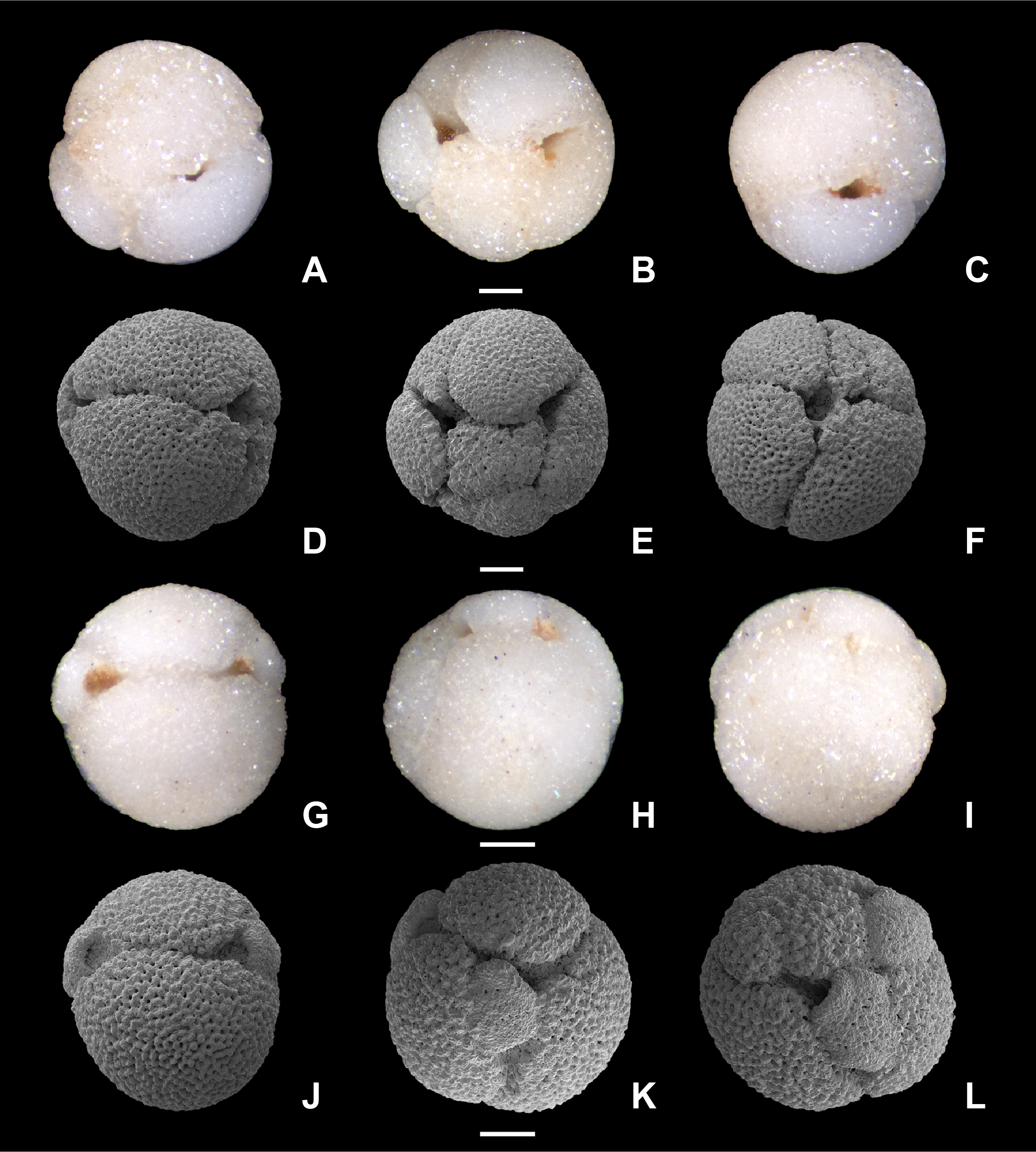
Plate P6. Globigerinatheka luterbacheri (390C-U1558A-14X-2 and 14X-3).
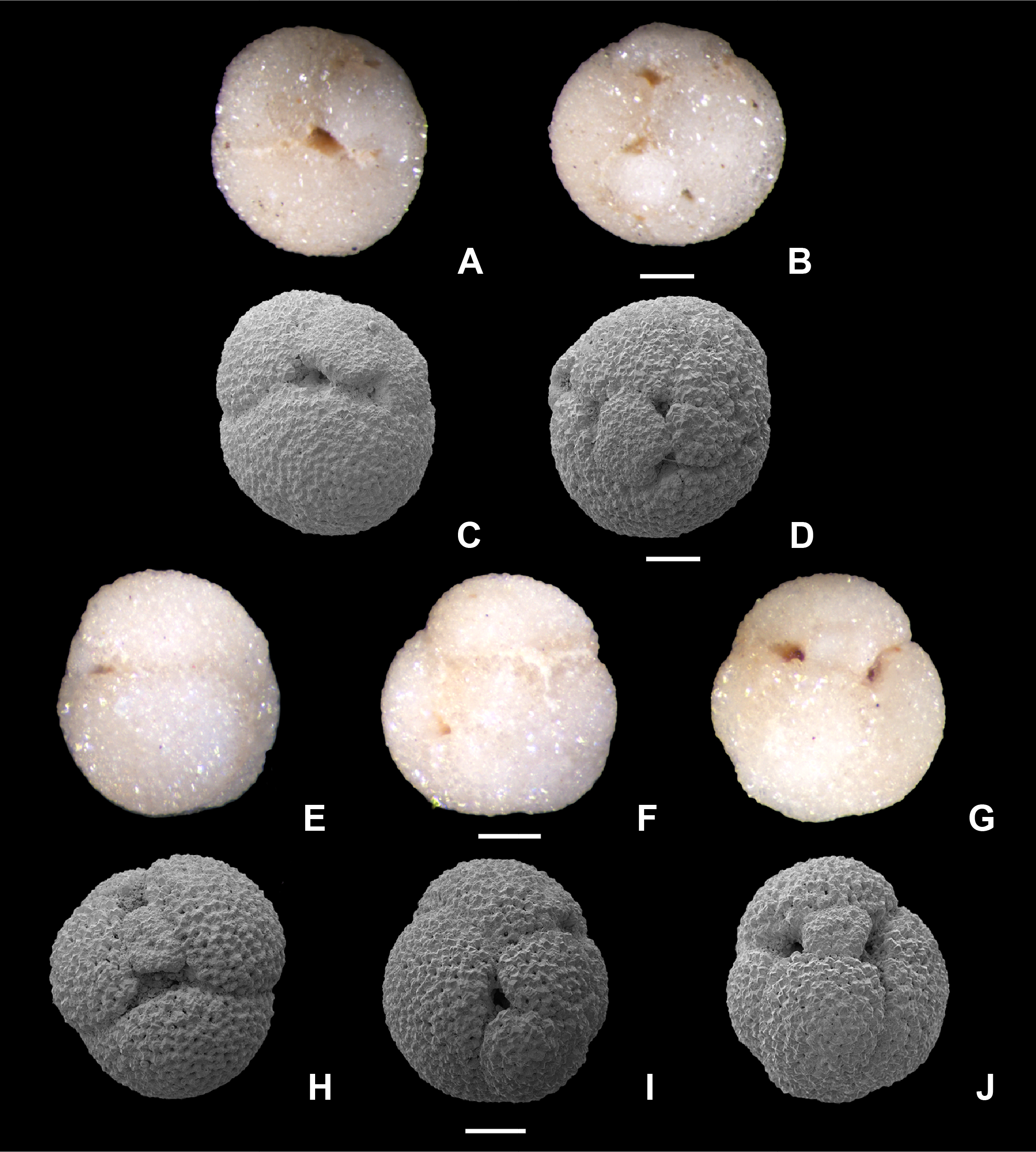
Plate P7. Globigerinatheka subconglobata (390C-U1558A-14X-2).
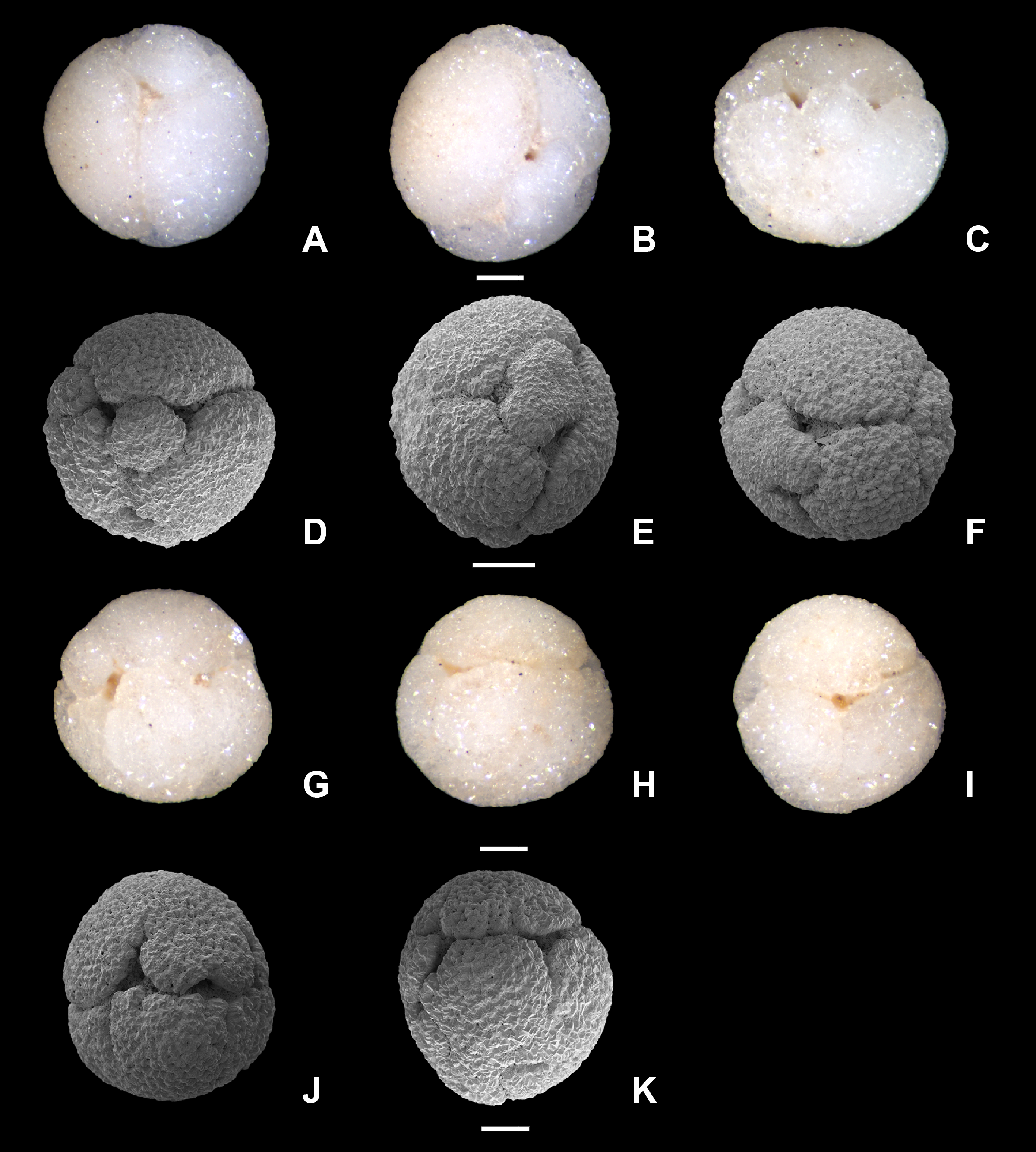
Plate P8. Globigerinatheka subconglobata (390C-U1558A-14X-2 and 14X-3).
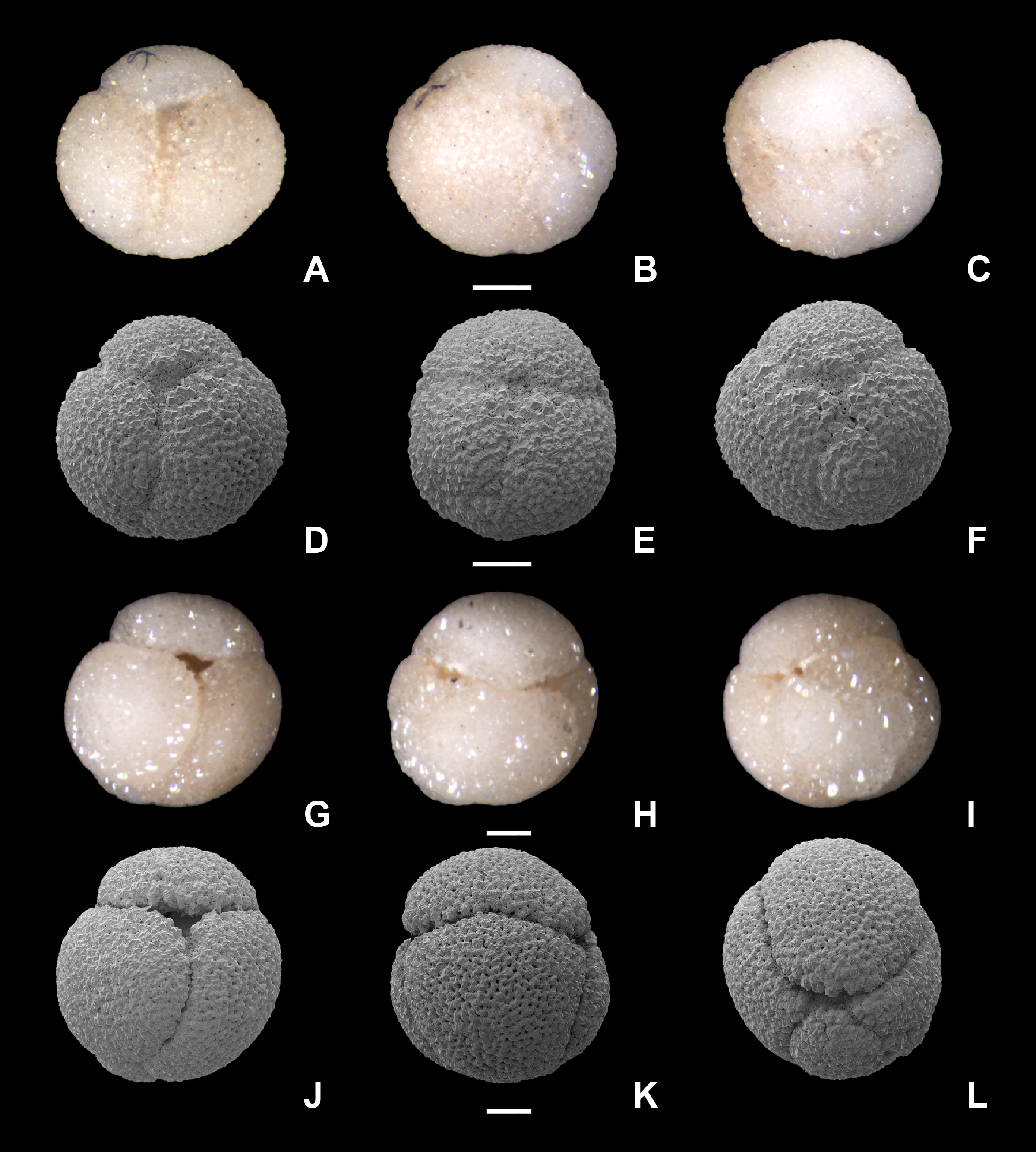
Plate P9. Globigerinatheka tropicalis (390C-U1558A-14X-2).
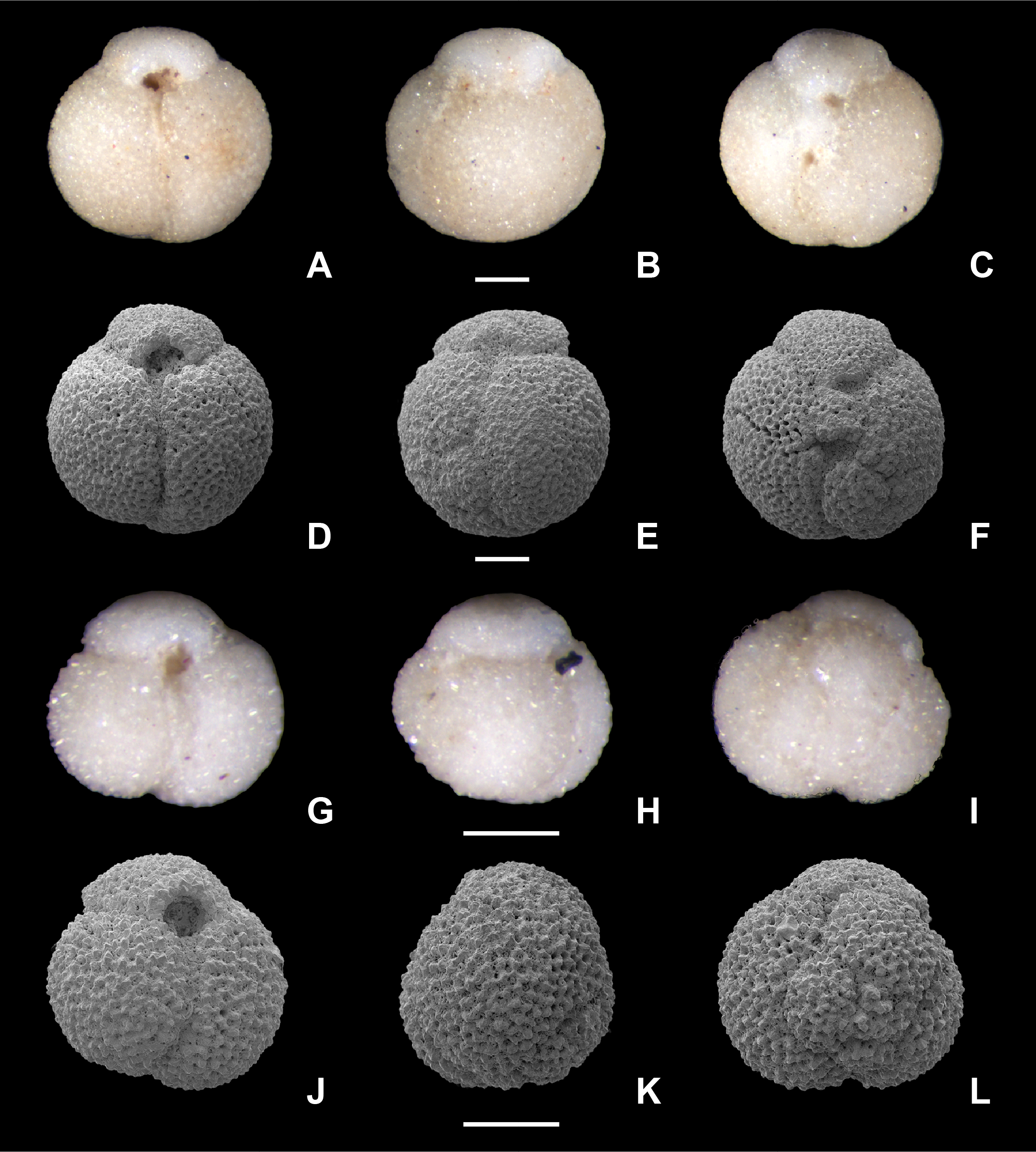
Plate P10. Globigerinatheka tropicalis (390C-U1558A-14X-4 and 14X-CC).
A total of 14 samples from Hole U1558A were examined (Table T1), and 20 Globigerinatheka specimens were selected based on good preservation, visibility of diagnostic morphology, taxonomic interest, and suitability for paired light-microscope and SEM documentation. Table T1 lists the analyzed samples, including the site, hole, core, section, sample interval, and midpoint depths on the CSF-A and core composite depth below seafloor (CCSF) scales. The selected specimens are illustrated in Plates P1, P2, P3, P4, P5, P6, P7, P8, P9, and P10. The plate set combines z-stacked light-microscope and SEM images in umbilical, edge, and spiral views where available.
The highest (last) occurrence of G. index was found in Sample 390C-U1558A-14X-2, 22–24 cm (115.23 m CSF-A) (Plate P1). G. index was absent from the next sample examined (14X-1, 123–125 cm; 114.74 m CSF-A). Thus, the Top of G. index is constrained to 114.99 ± 0.25 m CSF-A (140.66 ± 0.25 m CCSF) within Magnetochron C13r (Figure F2). This placement agrees at the magnetochron scale with records from the Umbrian Apennines and Massignano, Site 1090, and Site 748 (Berggren et al., 1995; Berggren and Pearson, 2005; Galeotti et al., 2002; Roberts et al., 2003), supporting broad correlation of the datum across a wide latitudinal range. However, more precise numerical age calibration within the age-model framework of this site is required before strict global synchrony of this event can be demonstrated.
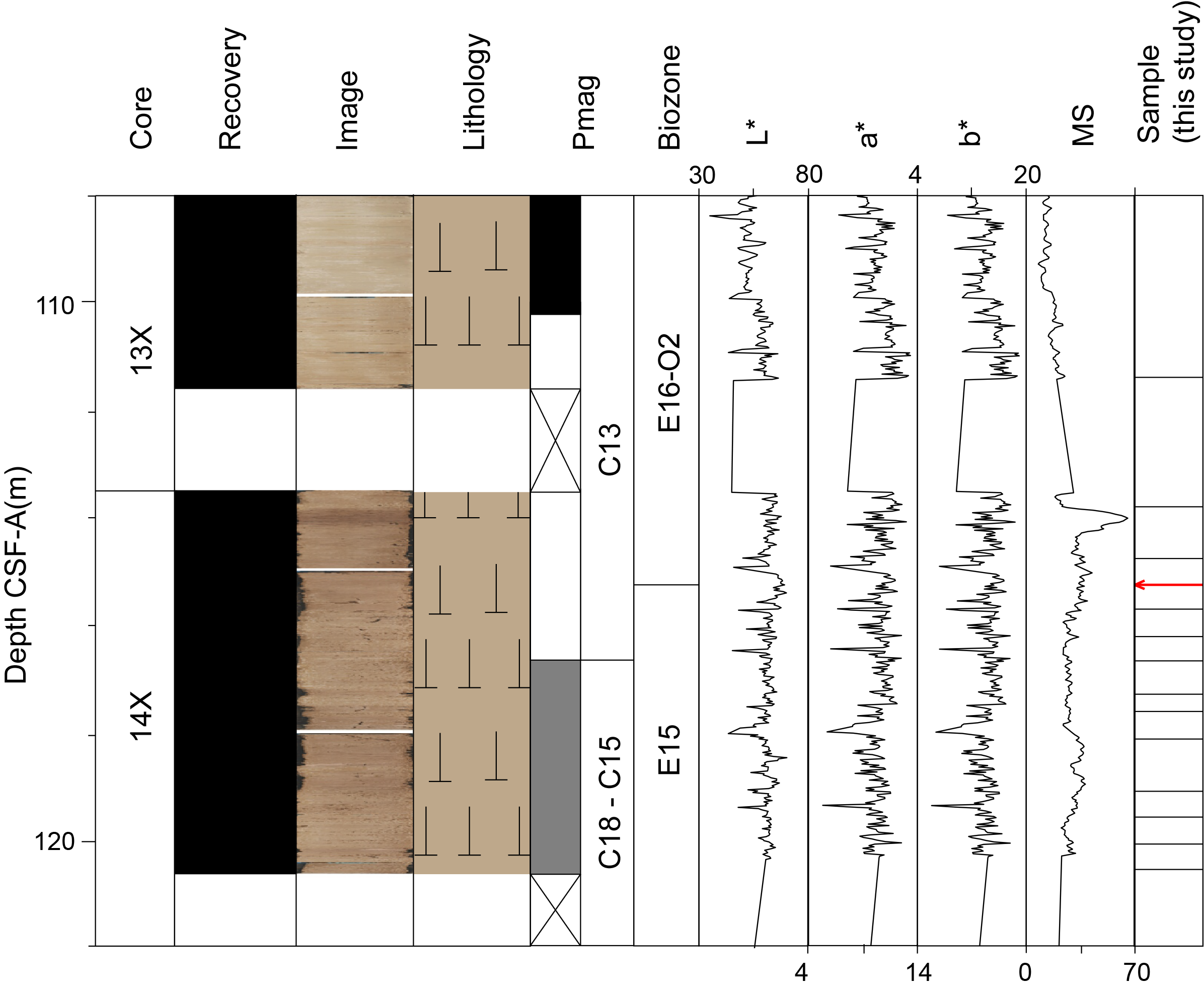
Figure F2. Positions of samples examined in this study.
4.1. Systematic paleontology
Order FORAMINIFERIDA d’Orbigny, 1826
Superfamily GLOBIGERINOIDEA Carpenter, Parker, and Jones, 1862
Genus Globigerinatheka Brönnimann, 1952
Globigerinatheka index (Finlay, 1939)
(Plates P1, P2, P3, P4; Plate P5, figures A–E)
Globigerinoides index Finlay (1939): p. 125 (partim), pl. 14, figs. 85–88.
Globigerinatheka index, Premoli Silva et al. (2006): pp. 183–185, pl. 7.5, figs. 1–20.
Remarks: Premoli Silva et al. (2006) characterized Globigerinatheka index as a compact to slightly elongate globigerinathekid with inflated final-whorl chambers, incised sutures, a high-arched primary aperture, and sutural secondary apertures. At Site U1558, the specimens assigned to G. index (Plates P1, P2, P3, P4) show compact to slightly elongate tests and deeply incised sutures. The primary aperture is moderate to high arched. Bullae are uncommon in G. index (Premoli Silva et al., 2006), although they have previously been recorded (e.g., Wade, 1964); here, we find and illustrate a specimen with a bulla extending across the primary aperture (Plate P3, figures A–F). Specimens illustrated in Plate P4 (figures F–I) have less high-arched primary apertures, and those illustrated in Plate P5 (figures A–E) are less compact and show a greater degree of chamber-size expansion; however, the sutures are deeply incised. They are not typical G. index; therefore, we refer to them as G. cf. index.
Globigerinatheka korotkovi (Keller, 1946)
(Plate P5, figures F–K)
Globigerinoides korotkovi Keller (1946): p. 89, pl. 2: figs. 14–16.
Globigerinatheka korotkovi, Premoli Silva et al. (2006): pp. 186, 189–190, pl. 7.6, figs. 1–16.
Remarks: Globigerinatheka korotkovi was regarded by Premoli Silva et al. (2006) as a high-spired or sack-like globigerinathekid with inflated chambers and primary and secondary apertures. In Plate P5, figures F–K show a high-spired, inflated globigerinathekid with a thick test wall and embracing, inflated chambers. The specimen is assigned to G. korotkovi.
Globigerinatheka luterbacheri Bolli, 1972
(Plate P6)
Globigerinatheka subconglobata luterbacheri Bolli (1972): p. 132, pl. 7, fig. 13.
Globigerinatheka luterbacheri, Premoli Silva et al. (2006): pp. 191–192, 195, pl. 7.4, figs. 9, 10, 13–16.
Remarks: Globigerinatheka luterbacheri is a large, ovoid to irregular globigerinathekid with incised sutures and numerous secondary apertures (Premoli Silva et al., 2006). Plate P6 shows specimens consistent with this taxonomic concept. Our specimens have inflated chambers, incised sutures, and secondary apertures with bullae that often possess rims.
Globigerinatheka subconglobata (Shutskaya, 1958)
Globigerinoides subconglobatus subconglobata Shutskaya (1958): p. 86, pl. I: figs. 4–11.
Globigerinatheka subconglobata, Premoli Silva et al. (2006): pp. 201–202, 204, pl. 7.10, figs. 1–20.
Remarks: Premoli Silva et al. (2006) distinguished G. subconglobata by an evolute test, four chambers in the final whorl, a flatter, crown-like final chamber, small apertures, and an initial spire in a central position; smaller morphotypes may show small or poorly visible secondary apertures, and the wall is commonly recrystallized. Plates P7 and P8 show evolute globigerinathekid tests with inflated final-whorl chambers and moderately incised sutures. Small secondary apertural openings are visible locally but are not equally clear in all views, and wall recrystallization or surface overgrowth may obscure fine apertural detail. The specimens are assigned to G. subconglobata. We note that these specimens occur much younger than the stratigraphic range reported by Premoli Silva et al. (2006), who confined the species to the middle Eocene.
Globigerinatheka tropicalis (Blow and Banner, 1962)
Globigerapsis tropicalis Blow and Banner (1962): pp. 124–125, pl. 15: figs. D–F.
Globigerinatheka tropicalis, Premoli Silva et al. (2006): pp. 204–206, pl. 7.3, figs. 9–16.
Remarks: Globigerinatheka tropicalis is distinguished by a globose to subrectangular or subtriangular test, low trochospire, depressed sutures, inflated final-whorl chambers, and mainly subcircular rimmed apertures; separation from G. index depends partly on less compact outline and a smaller, nearly circular primary aperture (Premoli Silva et al., 2006). At Site U1558, Plates P9 and P10 show globose to subtriangular outlines, low trochospire, depressed sutures, and inflated chambers. Apertures have weakly to strongly developed rims; however, some of our specimens (e.g., Plate P9, figures G–L) are more compact than typical G. tropicalis (Wade et al., 2021).
5. Acknowledgments
We thank Mark Stanley for assistance with scanning electron microscopy. This research used samples provided by the International Ocean Discovery Program, request number 079620IODP. The authors are grateful to Paul Pearson for discussions on taxonomy. BW and ML were supported by Natural Environment Research Council (NERC) grant numbers NE/X002187/1 and NE/W00478X/1.
References
Berggren, W.A., Kent, D.V., Swisher, C.C., III, and Aubry, M.-P., 1995. A revised Cenozoic geochronology and chronostratigraphy. In Berggren, W.A., Kent, D.V., Aubry, M.-P., and Hardenbol, J., Geochronology, Time Scales and Global Stratigraphic Correlation. SEPM Special Publication, 54: 129–212. https://doi.org/10.2110/pec.95.04.0129
Berggren, W.A., and Pearson, P.N., 2005. A revised tropical to subtropical Paleogene planktonic foraminiferal zonation. Journal of Foraminiferal Research, 35(4):279–298. https://doi.org/10.2113/35.4.279
Blow, W.H., and Banner, F.T., 1962. The mid-Tertiary (Upper Eocene to Aquitanian) Globigerinaceae. In Eames, F.E., Banner, F.T., Blow, W.H. and Clarke, W.J., Fundamentals of Mid-Tertiary Stratigraphical Correlation. Cambridge, United Kingdom (Cambridge University Press), 61–151.
Bolli, H.M., 1972. The genus Globigerinatheka Brönnimann. Journal of Foraminiferal Research, 2(3):109–136. https://doi.org/10.2113/gsjfr.2.3.109
Brönnimann, P., 1952. Globigerinoita and Globigerinatheka, new genera from the Tertiary of Trinidad, B.W.I. Contributions from the Cushman Foundation for Foraminiferal Research, 3(1):25–28.
Carpenter, W.B., Parker, W.K., and Jones, T.R., 1862. Introduction to the Study of the Foraminifera: London (The Ray Society). https://doi.org/10.5962/bhl.title.9133
Coxall, H.K., Jones, T.D., Jones, A.P., Lunt, P., MacMillan, I., Marliyani, G.I., Nicholas, C.J., O'Halloran, A., Piga, E., Sanyoto, P., Rahardjo, W., and Pearson, P.N., 2021. The Eocene−Oligocene transition in Nanggulan, Java: lithostratigraphy, biostratigraphy and foraminiferal stable isotopes. Journal of the Geological Society, 178(6):jgs2021-006. https://doi.org/10.1144/jgs2021-006
Coxall, H.K., and Pearson, P.N., 2007. The Eocene–Oligocene Transition. In Williams, M., Haywood, A.M., Gregory, F.J. and Schmidt, D.N., Deep-Time Perspectives on Climate Change: Marrying the Signal from Computer Models and Biological Proxies. 2: (Geological Society of London). https://doi.org/10.1144/TMS002.16
d’Orbigny, A.D., 1826. Tableau méthodique de la classe des Céphalopodes. Annales des Sciences Naturelles, 7:245–314.
Ezard, T.H.G., Aze, T., Pearson, P.N., and Purvis, A., 2011. Interplay between changing climate and species’ ecology drives macroevolutionary dynamics. Science, 332(6027):349–351. https://doi.org/10.1126/science.1203060
Fenton, I.S., Woodhouse, A., Aze, T., Lazarus, D., Renaudie, J., Dunhill, A.M., Young, J.R., and Saupe, E.E., 2021. Triton, a new species-level database of Cenozoic planktonic foraminiferal occurrences. Scientific Data, 8(1):160. https://doi.org/10.1038/s41597-021-00942-7
Finlay, H.J., 1939. New Zealand foraminifera: key species in stratigraphy - no. 2. Transactions of the Royal Society of New Zealand, 69:89–128.
Fraass, A.J., Kelly, D.C., and Peters, S.E., 2015. Macroevolutionary history of the planktic foraminifera. Annual Review of Earth and Planetary Sciences, 43:139–166. https://doi.org/10.1146/annurev-earth-060614-105059
Galeotti, S., Coccioni, R., and Gersonde, R., 2002. Middle Eocene–Early Pliocene Subantarctic planktic foraminiferal biostratigraphy of Site 1090, Agulhas Ridge. Marine Micropaleontology, 45(3):357–381. https://doi.org/10.1016/S0377-8398(02)00035-X
Gradstein, F.M., Ogg, J.G., Schmitz, M.D., and Ogg, G.M. (Eds.), 2012. The Geologic Time Scale 2012: Amsterdam (Elsevier). https://doi.org/10.1016/C2011-1-08249-8
Huber, B.T., and Quillévéré, F., 2005. Revised Paleogene planktonic foraminiferal biozonation for the austral realm. Journal of Foraminiferal Research, 35(4):299–314. https://doi.org/10.2113/35.4.299
Keller, B.M., 1946. Foraminifera of the Late Cretaceous deposits of the Sochi region. Byulleten Moskovskogo Obshchestva Ispytateley Prirody, Otdel Geologicheskiy, 21:83–108.
Lu, Z., Xue, K., Deng, Y., Fan, J., Fang, P., Wade, B.S., Alegret, L., Benton, M.J., Wu, Y., Qian, C., Hou, X., Shi, Y., Sadler, P.M., Xu, H., Zhou, Z.-H., and Shen, S., 2026. Complex marine ecological response during the Eocene-Oligocene revealed by global foraminiferal record. Nature Communications, 17(1):3954. https://doi.org/10.1038/s41467-026-70541-w
Nocchi, M., Parisi, G., Monaco, P., Monechi, S., and Madile, M., 1988. Eocene and early oligocene micropaleontology and paleoenvironments in SE Umbria, Italy. Palaeogeography, Palaeoclimatology, Palaeoecology, 67(3):181–244. https://doi.org/10.1016/0031-0182(88)90154-X
Nocchi, M., Parisi, G., Monaco, P., Monechi, S., Madile, M., Napoleone, G., Ripepe, M., Orlando, M., Premoli Silva, I., and Bice, D.M., 1986. The Eocene-Oligocene Boundary in the Umbrian Pelagic Sequences, Italy. In Pomerol, C. and Premoli-Silva, I., Developments in Palaeontology and Stratigraphy. 9: (Elsevier), 25–40. https://doi.org/10.1016/S0920-5446(08)70091-8
Pearson, P.N., McMillan, I.K., Wade, B.S., Jones, T.D., Coxall, H.K., Bown, P.R., and Lear, C.H., 2008. Extinction and environmental change across the Eocene-Oligocene boundary in Tanzania. Geology, 36(2):179–182. https://doi.org/10.1130/G24308A.1
Premoli Silva, I., Wade, B.S., and Pearson, P.N., 2006. Taxonomy, biostratigraphy, and phylogeny of Globigerinatheka and Orbulinoides. In Pearson, P.N., Olsson, R.K., Hemleben, C., Huber, B.T. and Berggren, W.A., Atlas of Eocene Planktonic Foraminifera. 41: (Cushman Foundation for Foraminiferal Research, Special Publication), 169–212.
Prothero, D.R., 1994. The late Eocene-Oligocene extinctions. Annual Review of Earth and Planetary Sciences, 22:145–165. https://doi.org/10.1146/annurev.ea.22.050194.001045
Roberts, A.P., Bicknell, S.J., Byatt, J., Bohaty, S.M., Florindo, F., and Harwood, D.M., 2003. Magnetostratigraphic calibration of Southern Ocean diatom datums from the Eocene–Oligocene of Kerguelen Plateau (Ocean Drilling Program sites 744 and 748). Palaeogeography, Palaeoclimatology, Palaeoecology, 198(1):145–168. https://doi.org/10.1016/S0031-0182(03)00397-3
Shutskaya, E.K., 1958. Variability in some lower Paleogene planktonic foraminifera from the northern Caucasus. Voprosy Mikropaleontologii, 2:86–90.
Teagle, D.A.H., Reece, J., Williams, T.J., Coggon, R.M., Sylvan, J.B., Estes, E.R., Christeson, G.L., Albers, E., Amadori, C., Belgrano, T.M., D’Angelo, T., Doi, N., Evans, A., Guérin, G.M., Harris, M., Hojnacki, V.M., Hong, G., Jin, X., Jonnalagadda, M., Kuwano, D., Labonte, J.M., Lam, A.R., Latas, M., Lu, W., Moal-Darrigade, P., Pekar, S.F., Robustelli Test, C., Ryan, J.G., Santiago Ramos, D., Shchepetkina, A., Villa, A., Wee, S.Y., Widlansky, S.J., Aizawa, M., Borrelli, C., Bridges, J.D., Carter, E.J., Dinarès-Turell, J., Estep, J.D., Gilhooly, W.P., III, Grant, L.C.J., Kaplan, M.R., Kempton, P.D., Lowery, C.M., McIntyre, A., Routledge, C.M., Slagle, A.L., Takada, M., Tamborrino, L., Wang, Y., Yang, K., Kurz, W., Prakasam, M., Tian, L., Yu, T., and Zhang, G., 2024. Site U1558. In Coggon, R.M., Teagle, D.A.H., Sylvan, J.B., Reece, J., Estes, E.R., Williams, T.J., Christeson, G.L., and the Expedition 390/393 Scientists, South Atlantic Transect. Proceedings of the International Ocean Discovery Program, 390/393: College Station, TX (International Ocean Discovery Program). https://doi.org/10.14379/iodp.proc.390393.106.2024
Thomsen, E., Abrahamsen, N., Heilmann-Clausen, C., King, C., and Nielsen, O.B., 2012. Middle Eocene to earliest Oligocene development in the eastern North Sea Basin: biostratigraphy, magnetostratigraphy and palaeoenvironment of the Kysing-4 borehole, Denmark. Palaeogeography, Palaeoclimatology, Palaeoecology, 350–352:212–235. https://doi.org/10.1016/j.palaeo.2012.06.034
Wade, B.S., Aljahdali, M.H., Mufrreh, Y.A., Memesh, A.M., AlSoubhi, S.A., and Zalmout, I.S., 2021. Upper Eocene planktonic foraminifera from northern Saudi Arabia: implications for stratigraphic ranges. Journal of Micropalaeontology, 40(2):145–161. https://doi.org/10.5194/jm-40-145-2021
Wade, B.S., and Pearson, P.N., 2008. Planktonic foraminiferal turnover, diversity fluctuations and geochemical signals across the Eocene/Oligocene boundary in Tanzania. Marine Micropaleontology, 68(3–4):244–255. https://doi.org/10.1016/j.marmicro.2008.04.002
Wade, B.S., Pearson, P.N., Berggren, W.A., and Pälike, H., 2011. Review and revision of Cenozoic tropical planktonic foraminiferal biostratigraphy and calibration to the geomagnetic polarity and astronomical time scale. Earth-Science Reviews, 104(1–3):111–142. https://doi.org/10.1016/j.earscirev.2010.09.003
Wade, M., 1964. Application of the lineage concept to biostratigraphic zoning based on planktonic foraminifera. Micropaleontology, 10(3):273–290.
Westerhold, T., Marwan, N., Drury, A.J., Liebrand, D., Agnini, C., Anagnostou, E., Barnet, J.S.K., Bohaty, S.M., De Vleeschouwer, D., Florindo, F., Frederichs, T., Hodell, D.A., Holbourn, A.E., Kroon, D., Lauretano, V., Littler, K., Lourens, L.J., Lyle, M., Pälike, H., Röhl, U., Tian, J., Wilkens, R.H., Wilson, P.A., and Zachos, J.C., 2020. An astronomically dated record of Earth’s climate and its predictability over the last 66 million years. Science, 369(6509):1383–1387. https://doi.org/10.1126/science.aba6853
Zachos, J., Pagani, M., Sloan, L., Thomas, E., and Billups, K., 2001. Trends, rhythms, and aberrations in global climate 65 Ma to Present. Science, 292(5517):686–693. https://doi.org/10.1126/science.1059412